



Right out of the gate: Phantom made interacting with Solana way less painful. For collectors and builders, it’s become the go-to browser extension and mobile app for NFTs, token swaps, and dApp interactions. This guide walks through how Phantom works, what it does well (and where to watch your back), and practical steps to manage NFTs without feeling like you need a degree in cryptography.
Phantom is a browser extension wallet that sits in Chrome, Brave, Edge, and other Chromium-based browsers, and there’s a mobile app too. It stores your private keys locally, signs transactions for you, and gives apps permission-based access to accounts. That’s all good. But the real reason people use it is simple: it’s fast, integrates cleanly with Solana NFT marketplaces, and handles token swaps and staking with a tidy UX.
Install and set up (quick and safe)
Install Phantom from a trusted source—ideally from the official site or your browser’s extension store. If you prefer a direct link, you can use the official phantom wallet page. After install, create a new wallet and write down the seed phrase on paper. Don’t store it in plain text on your computer or in cloud notes. Seriously, that’s the basics: download, create, back up, secure.
Create a strong password for the extension and enable any device-level protections. On mobile, use the app’s pin or biometric lock. Phantom supports hardware wallets like Ledger for extra security if you want to keep large NFT collections or significant SOL offline.
Using Phantom for NFTs
Phantom treats NFTs as first-class citizens. The Wallet tab lists NFTs separately from fungible tokens, and metadata is usually fetched directly from Arweave/IPFS links that creators set. Buying and selling works through connected marketplaces—most major Solana marketplaces recognize Phantom automatically, which makes checkout smooth. But heads up: always verify the marketplace URL and the transaction details before confirming a signature.
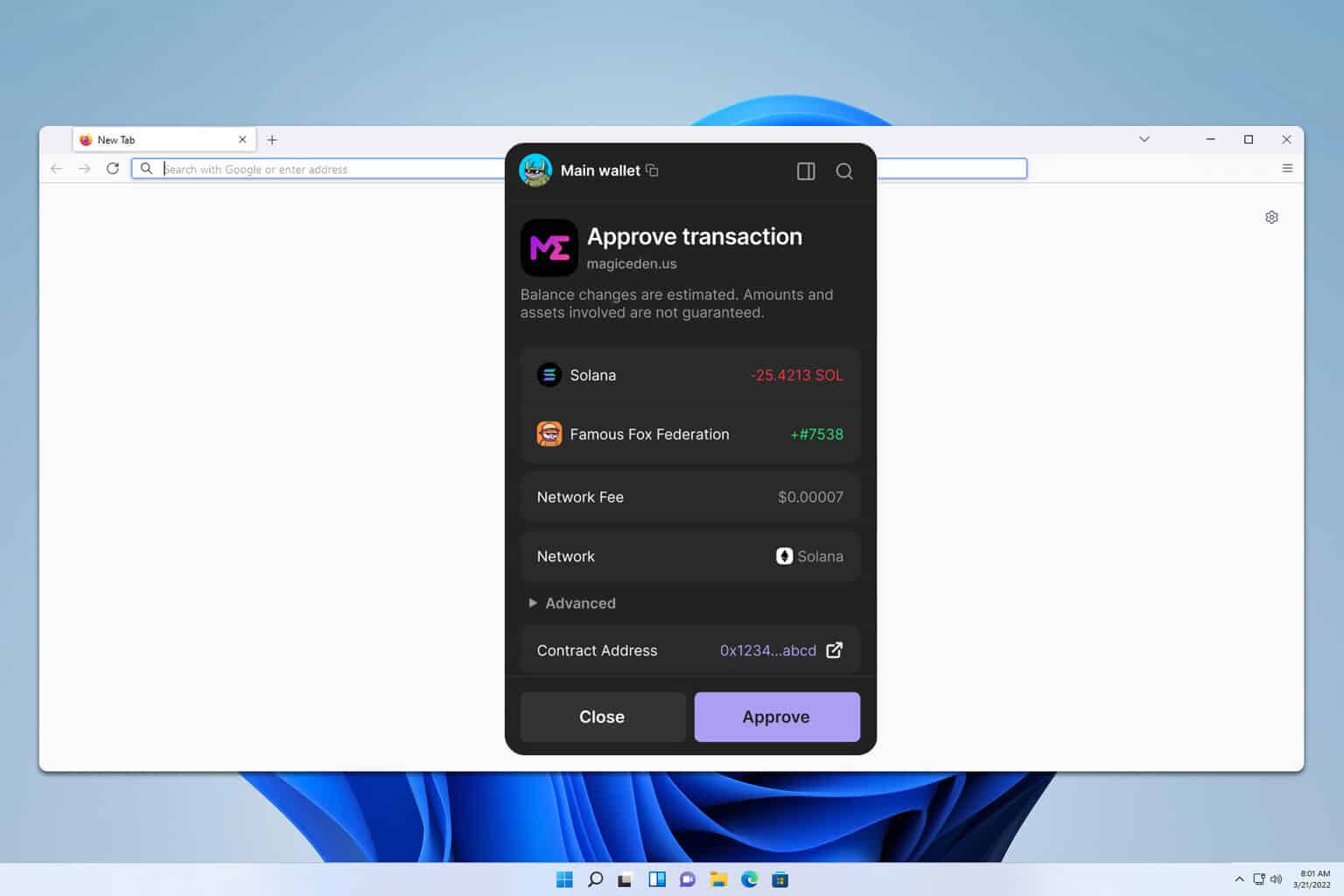
When you connect to a marketplace, Phantom will request permission to view your wallet address and sign transactions. You get a popup that shows the exact transaction data—price, recipient, and any program interactions. Read it. Don’t just click. Phishing sites can mimic marketplaces, and a mistaken signature can drain assets.
Common NFT workflows
Here’s how typical NFT tasks look with Phantom:
- Receive an NFT: share your SOL address (not your seed). The NFT should show up automatically once the transaction finalizes.
- List an NFT: connect Phantom to the marketplace, approve the program’s interaction, and sign the listing transaction.
- Transfer an NFT: initiate the transfer from Phantom, confirm recipient address carefully, and sign.
Try small test transfers if you’re unsure. A tiny NFT or test SOL transfer is a low-risk way to make sure you’ve got the recipient address right.
Phantom app vs. extension
The extension is great when you’re on desktop—fast signature prompts, easy clipboard copy, keyboard shortcuts if you’re into that sort of thing. The mobile app is convenient for on-the-go trading and wallet management. They sync via secure connections if you link them, but remember: your seed phrase is the ultimate authority. If you ever lose access, that phrase is how you restore your wallet.
Mobile tends to be better for QR-based sign-ins and hot-wallet convenience. Desktop is nicer when you’re doing bulk operations, like batch NFT transfers or interacting with developer tools. Use the setup that matches your workflow.
Security best practices
Here’s what I tell folks who are new to crypto: treat your seed phrase like nuclear codes. If someone gets it, they get everything. Don’t take shortcuts.
- Backup: write the seed phrase on paper, consider metal backups for long-term storage.
- Phishing: double-check domains and contract details. Look for tiny misspellings in URLs.
- Hardware wallet: use Ledger for high-value holdings—Phantom supports Ledger integration for signing transactions.
- Permissions: periodically review dApp permissions inside Phantom and revoke any you don’t use.
Also, be skeptical of “free mint” links posted in DMs. If it looks too good to be true, it often is. I’ve seen people rush into minting and end up signing away authority to an open-ended program. Slow down. Read what the transaction is asking you to approve.
Privacy and account management
Your Solana address is public. Anyone can view transactions on-chain. Phantom does not anonymize on-chain activity by default. Use separate wallets for different activities if you want privacy—one for trading, another for long-term holdings. Tools like burner wallets can help for risky mints and airdrops.
And hey—if you’re concerned about tax or bookkeeping, export your transaction history regularly. Phantom itself doesn’t provide tax advice, but many third-party trackers can import or read on-chain activity to help you stay organized.
Advanced features worth knowing
Phantom isn’t just for NFTs. It offers token swaps (via integrated DEXs), staking SOL to earn rewards, and support for custom SPL tokens. If you interact with developer-focused dApps, Phantom exposes a developer console and advanced settings to manage RPC endpoints, which can help if you run into rate limits or need a reliable node.
For frequent traders, the swap interface is handy and usually has lower fees than Ethereum-based alternatives thanks to Solana’s throughput. But slippage and price impact still apply—especially for illiquid tokens—so check those numbers before confirming.
Why Phantom stands out
Phantom’s UX is polished in a way that actually matters. It balances ease-of-use with enough transparency to see what you’re signing. The team has been responsive historically, rolling out improvements and security updates. That said, no wallet is perfect—so combine Phantom with good operational security and know when to move assets to cold storage.
Where to get Phantom
If you want to download or learn more about installing the extension, start with the official phantom wallet page for the safest experience: phantom wallet. Always prefer official channels to avoid malicious clones.
FAQ
Can I recover my Phantom wallet if I lose my device?
Yes—using your seed phrase you can restore the wallet on a new device or the mobile app. If you used a hardware wallet like Ledger, recovery depends on your hardware wallet’s recovery process.
Does Phantom support hardware wallets?
Yes. Phantom integrates with Ledger devices for signing transactions, which is recommended for holding large amounts of SOL or valuable NFTs.
Are NFTs stored in Phantom?
NFT ownership is recorded on-chain. Phantom displays metadata and images by reading on-chain data and linked storage (Arweave/IPFS), but the wallet itself doesn’t “store” the image in a traditional sense—it references it.
